
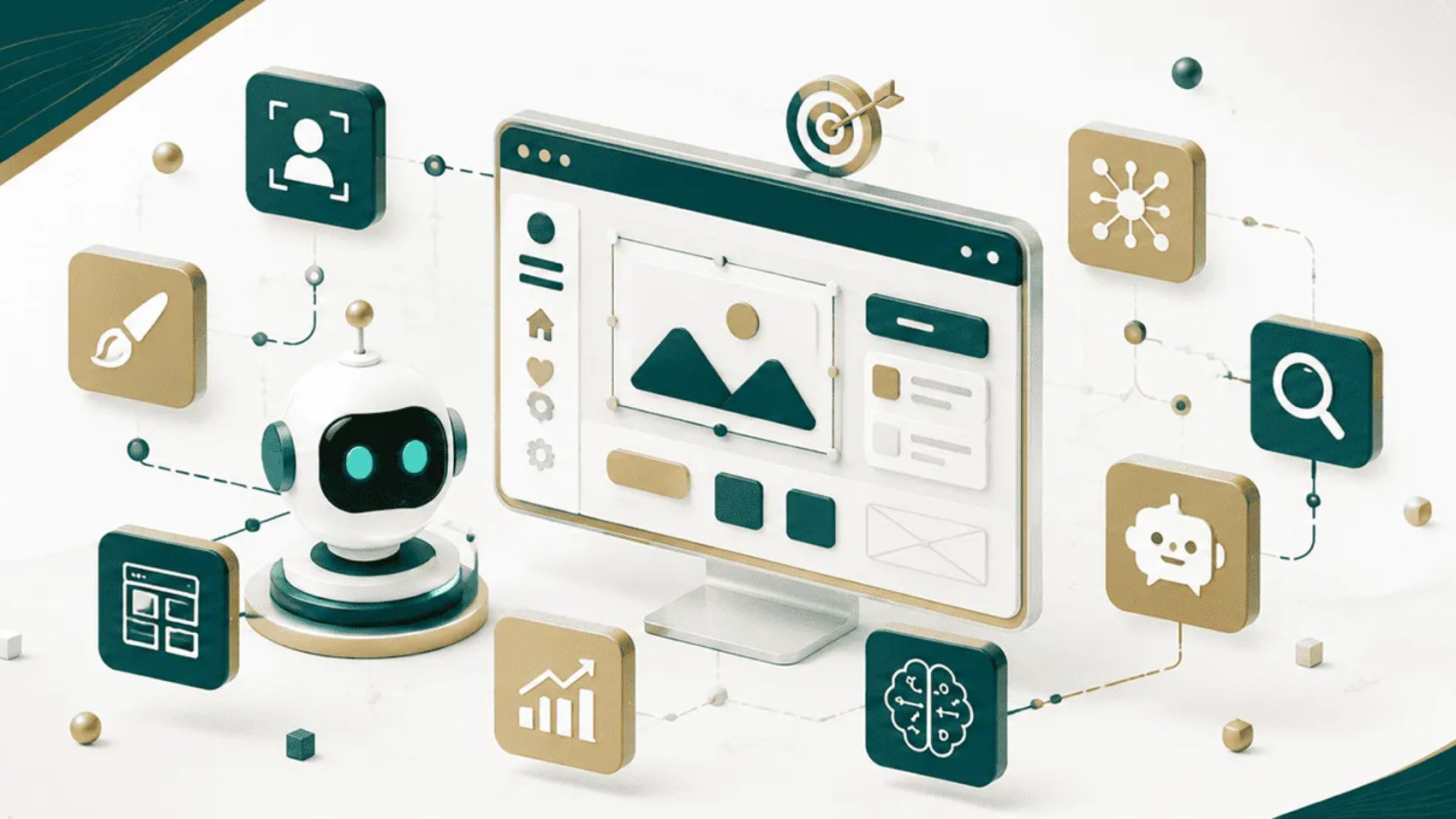
Blog feature 4. Ways AI Is Transforming UI

Ways AI Is Transforming UI/UX Design

  1. Personalized User Experiences

Modern users expect digital platforms to understand their preferences.

AI analyzes browsing history, purchase behavior, location, interests, and previous interactions to create personalized experiences.

Examples include:

  • Personalized product recommendations
  • Customized dashboards
  • Dynamic homepage content
  • Tailored marketing messages
  • Personalized search results

This improves customer satisfaction and increases conversion rates.

  1. Faster Design Process

Designing interfaces traditionally requires extensive manual work.

AI-powered tools now assist with:

  • Wireframe generation
  • Layout suggestions
  • UI component recommendations
  • Color palette creation
  • Typography pairing
  • Image selection

This allows designers to spend more time on creativity and problem-solving rather than repetitive tasks.

  1. Smarter User Research

Understanding users is the foundation of great UX.

AI can analyze thousands of user interactions in minutes, identifying:

  • User pain points
  • Navigation issues
  • Drop-off points
  • Frequently used features
  • Customer behavior patterns

Instead of relying solely on surveys, businesses can use real user data to improve their products.

  1. AI-Powered Chatbots and Virtual Assistants

Customer support has evolved significantly through AI.

Modern chatbots can:

  • Answer customer questions instantly
  • Guide users through websites
  • Recommend products
  • Assist with purchases
  • Solve common problems 24/7

This improves user satisfaction while reducing support costs.

  1. Predictive User Experience

AI can predict what users are likely to do next.

For example:

  • Suggesting products before users search
  • Auto-completing forms
  • Predicting search queries
  • Recommending content
  • Providing proactive support

These predictive experiences make websites feel smarter and more intuitive.

  1. Improved Accessibility

AI is making digital experiences more inclusive.

Modern AI tools help by:

  • Generating image descriptions
  • Improving screen reader compatibility
  • Offering voice navigation
  • Providing automatic captions
  • Detecting accessibility issues

This ensures that websites and applications are usable by everyone.

  1. Automated UX Testing

Testing is one of the most time-consuming stages of design.

AI can quickly identify:

  • Broken user flows
  • Confusing layouts
  • Click patterns
  • Heatmaps
  • User frustration points

This enables faster improvements and reduces development costs.

  1. Better Design Consistency

Maintaining consistency across large websites and mobile applications can be challenging.

AI helps teams:

  • Follow design systems
  • Maintain spacing and alignment
  • Suggest reusable components
  • Ensure consistent branding
  • Reduce design errors

This creates a more professional and polished user experience.

Benefits of AI in UI/UX Design

Businesses adopting AI-driven design can enjoy several advantages:

  • Faster project completion
  • Improved user satisfaction
  • Higher engagement rates
  • Better conversion rates
  • Reduced design costs
  • Data-driven decision-making
  • Enhanced accessibility
  • Continuous product improvement

These benefits ultimately contribute to stronger customer loyalty and business growth.

Challenges of AI in UI/UX

While AI offers many advantages, it also has limitations.

Some common challenges include:

  • Over-reliance on automation
  • Limited understanding of human emotions
  • Privacy and data security concerns
  • Risk of generic designs
  • Ethical considerations in personalization

The most successful products combine AI-powered insights with human creativity and empathy.

The Future of AI in UI/UX

AI will continue to reshape digital design through innovations such as:

  • Voice-first interfaces
  • Emotion-aware user experiences
  • AI-generated prototypes
  • Real-time personalization
  • Predictive design systems
  • Intelligent accessibility enhancements
  • Augmented Reality (AR) and Virtual Reality (VR) experiences
  • Hyper-personalized customer journeys

Designers who embrace AI as a collaborative tool will be better equipped to create exceptional digital experiences.

Conclusion

Artificial Intelligence is transforming UI/UX design by making digital products smarter, faster, and more user-centric. From personalized experiences and intelligent design assistance to automated testing and accessibility improvements, AI enables businesses to deliver seamless interactions that users appreciate.

However, great design is still rooted in understanding human needs. AI should be viewed as a powerful partner that enhances creativity rather than replacing it. By combining human expertise with AI-driven insights, businesses can create digital experiences that are both innovative and meaningful.

Why Choose SMRC4 Monk for UI/UX Design?

At SMRC4 Monk, we combine creative thinking with the latest AI-powered design practices to build websites and mobile applications that are visually engaging, intuitive, and conversion-focused. Our UI/UX design solutions prioritize user satisfaction, accessibility, and business goals, helping brands deliver exceptional digital experiences that stand out in today’s competitive market. Whether you’re launching a new product or improving an existing one, our team creates user-centric designs that drive engagement, strengthen your brand, and support long-term business growth.


Blog feature 3. Why Strong Branding Is Important for Business Success

Why Strong Branding Is Important for Business Success

Introduction

In today’s competitive marketplace, businesses need more than just quality products or services to succeed—they need a strong brand. Branding is what makes your business recognizable, memorable, and trustworthy. It defines how customers perceive your company and influences their purchasing decisions.

A strong brand goes beyond a logo or color palette. It represents your values, personality, mission, and the promise you make to your customers. Whether you’re a startup or an established business, investing in branding helps you stand out, build credibility, and create lasting customer relationships.

In 2026, where consumers have countless options, strong branding has become one of the most valuable assets a business can possess.

What Is Branding?

Branding is the process of creating a unique identity for your business that differentiates it from competitors.

A complete brand includes:

  • Logo Design
  • Brand Colors
  • Typography
  • Visual Identity
  • Brand Voice
  • Mission & Vision
  • Brand Values
  • Customer Experience
  • Marketing Style
  • Company Personality

Together, these elements create a consistent image that customers recognize and trust.

Creates a Strong First Impression

First impressions matter.

When customers encounter your business for the first time, your branding shapes their initial perception.

Professional branding immediately communicates:

  • Credibility
  • Professionalism
  • Quality
  • Reliability
  • Confidence

A well-designed brand encourages potential customers to learn more about your business.

Builds Trust and Credibility

People prefer to buy from businesses they trust.

Consistent branding across your website, social media, marketing materials, and customer interactions creates a sense of professionalism and reliability.

Strong branding helps customers feel confident that your business delivers quality products and services.

Trust often leads to repeat business and long-term customer relationships.

Makes Your Business Memorable

Customers are exposed to thousands of brands every day.

A memorable brand helps people remember:

  • Your company name
  • Your logo
  • Your services
  • Your visual identity
  • Your messaging

When customers need a product or service you offer, a recognizable brand is more likely to come to mind.

Differentiates You from Competitors

Every industry is competitive.

Strong branding highlights what makes your business unique.

Whether it’s:

  • Exceptional customer service
  • Innovative solutions
  • Premium quality
  • Affordable pricing
  • Creative expertise

Your brand communicates your unique value and gives customers a reason to choose you over competitors.

Increases Customer Loyalty

Branding creates emotional connections.

Customers who identify with your brand are more likely to:

  • Return for future purchases
  • Recommend your business
  • Share positive experiences
  • Become long-term supporters

Loyal customers not only increase revenue but also become valuable advocates for your business.

Supports Marketing Efforts

Branding makes every marketing campaign more effective.

A consistent brand identity strengthens:

  • Social Media Marketing
  • Digital Advertising
  • Email Marketing
  • Website Design
  • Content Marketing
  • Video Marketing
  • Print Advertising

When customers recognize your brand instantly, marketing messages become more impactful.

Enhances Business Value

A strong brand adds significant value to your business.

Well-known brands often enjoy:

  • Higher customer trust
  • Premium pricing opportunities
  • Greater market recognition
  • Easier business expansion
  • Increased investor confidence

Brand value becomes an important asset as your business grows.

Creates Consistency Across All Platforms

Customers interact with businesses through multiple channels.

Your branding should remain consistent across:

  • Website
  • Mobile App
  • Social Media
  • Business Cards
  • Brochures
  • Packaging
  • Advertisements
  • Email Signatures
  • Office Branding

Consistency strengthens brand recognition and creates a professional customer experience.

Helps Attract Ideal Customers

Your brand communicates who you are and who you serve.

Professional branding attracts customers who share your values and appreciate your offerings.

A clear brand identity helps businesses connect with the right audience more effectively.

Supports Premium Pricing

Strong brands are often perceived as more valuable.

Customers are willing to pay more for businesses they trust because they associate strong branding with:

  • Better quality
  • Better service
  • Greater reliability
  • Professional expertise

This allows businesses to compete on value rather than price alone.

Improves Employee Pride and Culture

Branding isn’t just for customers.

A strong brand also creates:

  • Employee confidence
  • Company pride
  • Better workplace culture
  • Stronger team identity

Employees who believe in the brand often become enthusiastic ambassadors for the business.

Branding Builds Long-Term Business Growth

Unlike short-term marketing campaigns, branding creates lasting value.

Over time, strong branding helps businesses:

  • Gain customer loyalty
  • Increase referrals
  • Expand into new markets
  • Build industry authority
  • Improve customer retention

Branding is an investment that continues delivering value for years.

Essential Elements of Strong Branding

Every successful brand should include:

  • Professional Logo
  • Consistent Color Palette
  • Typography Guidelines
  • Brand Voice
  • Visual Identity
  • Brand Story
  • Mission & Vision
  • Marketing Consistency
  • Customer-Centric Messaging
  • Positive User Experience

These elements work together to create a recognizable and trusted business identity.

Common Branding Mistakes to Avoid

Many businesses weaken their brand by:

  • Using inconsistent colors and fonts
  • Frequently changing logos
  • Having no clear brand message
  • Ignoring customer experience
  • Copying competitors
  • Maintaining an outdated visual identity
  • Delivering inconsistent communication

Avoiding these mistakes helps build a stronger and more professional brand.

The Role of Branding in the Digital Age

In today’s digital environment, branding influences every online interaction.

Customers often discover businesses through:

  • Google Search
  • Social Media
  • Websites
  • Online Reviews
  • Digital Advertisements
  • Video Content

A strong and consistent brand ensures that every interaction reinforces trust and professionalism, making it easier to attract and retain customers.

Conclusion

Strong branding is much more than an attractive logo or a memorable slogan—it is the foundation of a successful business. It shapes how customers perceive your company, builds trust, differentiates you from competitors, and supports long-term growth.

Businesses that invest in professional branding create lasting impressions, strengthen customer relationships, and position themselves for sustainable success. In an increasingly competitive marketplace, a strong brand is one of the most valuable investments any business can make.

Why Choose SMRC4 Monk for Branding & Graphic Design?

At SMRC4 Monk, we create distinctive brand identities that help businesses stand out in a competitive market. From logo design and visual identity systems to marketing materials, social media creatives, and brand guidelines, we develop cohesive branding solutions that reflect your vision and connect with your audience. Our approach combines creativity, strategy, and consistency to build memorable brands that inspire trust, strengthen recognition, and support long-term business growth. Whether you’re launching a new venture or refreshing an existing brand, SMRC4 Monk helps transform your ideas into a powerful and lasting brand identity.
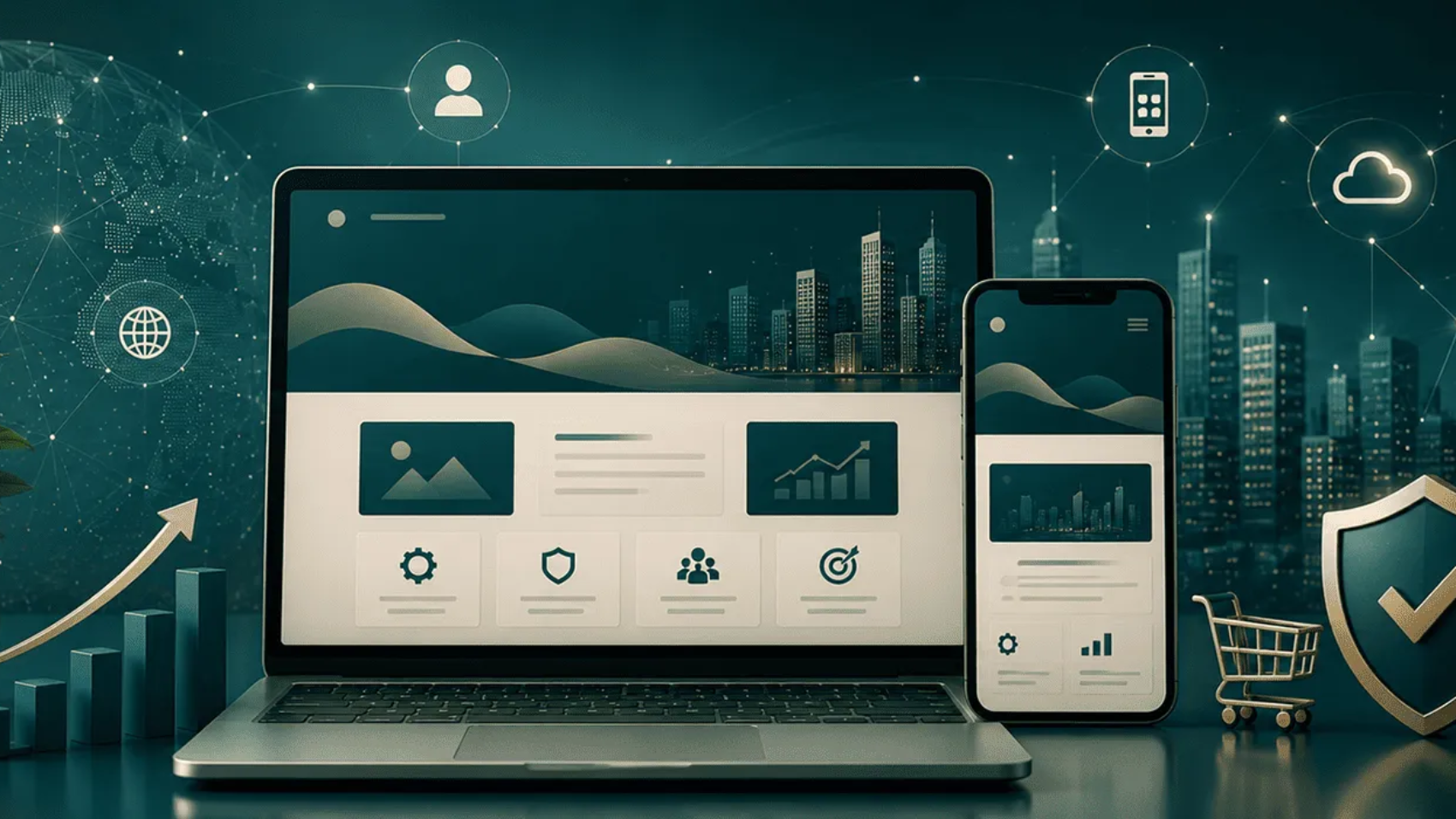
Blog feature 2. How Digital Marketing Helps Small Businesses Grow

How Digital Marketing Helps Small Businesses Grow

Introduction

In today’s digital world, having a great product or service is only part of the equation. To succeed, businesses need to reach the right audience, build trust, and stay visible where customers spend most of their time—online. This is where digital marketing plays a crucial role.

For small businesses, digital marketing offers an affordable and effective way to compete with larger brands. It helps attract new customers, strengthen brand awareness, increase sales, and build lasting customer relationships without requiring a massive marketing budget.

Whether you’re a local shop, startup, or service provider, digital marketing can help your business grow faster and smarter.

What Is Digital Marketing?

Digital marketing is the promotion of products or services using online channels and digital technologies.

It includes strategies such as:

  • Search Engine Optimization (SEO)
  • Social Media Marketing (SMM)
  • Search Engine Marketing (SEM)
  • Content Marketing
  • Email Marketing
  • Pay-Per-Click (PPC) Advertising
  • Video Marketing
  • Influencer Marketing
  • Online Reputation Management

Together, these strategies help businesses reach potential customers wherever they are online.

Increases Online Visibility

Most customers search online before making a purchase.

Digital marketing ensures your business appears when people search for products or services related to your industry.

Through SEO, Google Business Profile optimization, and paid advertising, small businesses can attract customers who are actively looking for what they offer.

Greater visibility leads to more website visitors, inquiries, and sales.

Helps Reach the Right Audience

Unlike traditional advertising, digital marketing allows businesses to target specific audiences.

You can reach people based on:

  • Location
  • Age
  • Gender
  • Interests
  • Online behavior
  • Purchase history
  • Profession
  • Device usage

This targeted approach increases the chances of converting potential customers into loyal clients.

Cost-Effective Marketing

One of the biggest advantages of digital marketing is affordability.

Small businesses can start with a modest budget and still achieve measurable results.

Compared to traditional advertising such as television, newspapers, or billboards, digital marketing offers:

  • Lower advertising costs
  • Better targeting
  • Higher return on investment (ROI)
  • Flexible budget control

This makes it ideal for startups and growing businesses.

Builds Brand Awareness

Customers are more likely to purchase from brands they recognize.

Digital marketing helps establish your brand through:

  • Social media presence
  • Consistent content
  • Search engine visibility
  • Online advertisements
  • Educational blogs
  • Video content

The more often customers see your brand, the more familiar and trustworthy it becomes.

Drives More Website Traffic

A professional website is most effective when people can find it.

Digital marketing drives traffic through:

  • Organic search results
  • Social media platforms
  • Google Ads
  • Email campaigns
  • Blog articles
  • Video marketing

More qualified visitors create more opportunities for customer conversions.

Generates High-Quality Leads

Digital marketing attracts customers who already have an interest in your products or services.

Lead generation methods include:

  • Contact forms
  • Landing pages
  • Free consultations
  • Downloadable resources
  • Newsletter subscriptions
  • Live chat

These qualified leads are more likely to become paying customers.

Improves Customer Engagement

Modern customers expect businesses to interact with them online.

Digital marketing enables businesses to:

  • Respond to customer inquiries
  • Share valuable content
  • Answer questions
  • Collect feedback
  • Build online communities

Engaged customers are more likely to become repeat buyers and recommend your business to others.

Supports Local Business Growth

For local businesses, digital marketing can significantly increase nearby customer reach.

Local marketing strategies include:

  • Google Business Profile optimization
  • Local SEO
  • Location-based advertising
  • Customer reviews
  • Local social media campaigns

These strategies help businesses attract customers within their service area.

Builds Customer Trust

Trust plays a major role in purchasing decisions.

Digital marketing helps establish credibility through:

  • Customer testimonials
  • Online reviews
  • Success stories
  • Educational content
  • Professional branding
  • Consistent communication

Businesses that provide helpful information and engage with customers regularly earn stronger trust.

Provides Measurable Results

Unlike traditional marketing, digital marketing offers real-time performance tracking.

Businesses can monitor:

  • Website traffic
  • Conversion rates
  • Customer engagement
  • Advertising performance
  • Social media reach
  • Lead generation
  • Return on investment

These insights help businesses improve their marketing strategies continuously.

Encourages Customer Retention

Acquiring new customers is important, but retaining existing ones is equally valuable.

Digital marketing helps maintain relationships through:

  • Email newsletters
  • Loyalty programs
  • Personalized offers
  • Social media engagement
  • Customer support
  • Educational content

Satisfied customers often become loyal brand advocates.

Competes with Larger Businesses

Digital marketing creates a level playing field.

A well-planned strategy allows small businesses to compete alongside larger organizations by:

  • Ranking in search engines
  • Running targeted ads
  • Publishing valuable content
  • Building strong social media communities
  • Offering excellent customer experiences

Success depends more on strategy than company size.

Supports Business Growth Through Multiple Channels

Digital marketing works best when different channels complement one another.

For example:

  • SEO brings long-term organic traffic.
  • Social media builds brand awareness and engagement.
  • PPC advertising delivers immediate visibility.
  • Email marketing nurtures leads.
  • Content marketing establishes authority and trust.

Together, these channels create a strong and sustainable marketing ecosystem.

Essential Digital Marketing Strategies for Small Businesses

To maximize growth, small businesses should focus on:

  • Search Engine Optimization (SEO)
  • Social Media Marketing
  • Google Ads Campaigns
  • Content Marketing
  • Email Marketing
  • Video Marketing
  • Local SEO
  • Online Reputation Management
  • Mobile Marketing
  • Conversion Rate Optimization

A balanced strategy ensures long-term success while adapting to changing customer behavior.

Common Mistakes Small Businesses Should Avoid

Many businesses struggle because they:

  • Ignore SEO
  • Have an outdated website
  • Post inconsistently on social media
  • Target the wrong audience
  • Ignore customer reviews
  • Don’t track marketing performance
  • Lack a clear marketing strategy

Avoiding these mistakes helps improve results and maximize return on investment.

Conclusion

Digital marketing has become one of the most powerful growth tools for small businesses. It helps increase visibility, attract qualified customers, strengthen brand recognition, generate leads, and build long-term customer relationships—all while remaining cost-effective and measurable.

By adopting the right digital marketing strategies, small businesses can compete with larger brands, expand their reach, and achieve sustainable growth. In today’s competitive marketplace, digital marketing is no longer optional—it is essential for businesses that want to succeed and grow.

Why Choose SMRC4 Monk for Digital Marketing?

At SMRC4 Monk, we help businesses grow through result-driven digital marketing strategies tailored to their unique goals. Our services include Search Engine Optimization (SEO), Social Media Marketing, Google Ads, content marketing, branding, and performance-focused campaigns designed to increase visibility, generate quality leads, and improve conversions. By combining creativity, data-driven insights, and the latest marketing techniques, we empower businesses to build a strong online presence and achieve sustainable growth in an increasingly competitive digital landscape.

Blog feature 1. Why Every Business Needs a Professional Website in 2026

Why Every Business Needs a Professional Website in 2026

Introduction

In today’s digital-first world, a professional website is no longer just an online presence—it’s the foundation of a successful business. Whether you’re a startup, a small business, or a large enterprise, customers expect to find your products, services, and contact information online before making a purchase.

As we move through 2026, consumer behavior continues to evolve. People research businesses online, compare competitors, read reviews, and expect seamless digital experiences. Without a professional website, businesses risk losing credibility, visibility, and valuable customers.

A well-designed website helps build trust, attract new customers, and support long-term business growth.

Your Website Is Your Digital Storefront

Just as a physical store creates a first impression, your website represents your business online.

When visitors land on your website, they immediately form an opinion based on:

  • Design quality
  • Loading speed
  • Mobile responsiveness
  • Ease of navigation
  • Content clarity
  • Overall user experience

A professionally designed website creates confidence and encourages visitors to explore your products or services.

Builds Trust and Credibility

Consumers trust businesses that have a professional online presence.

A quality website demonstrates:

  • Business authenticity
  • Professionalism
  • Industry expertise
  • Customer commitment

Including customer testimonials, certifications, portfolios, case studies, and company information further strengthens your credibility.

Without a website, many potential customers may question the legitimacy of your business.

Available 24/7

Unlike a physical office or retail store, your website works around the clock.

Customers can:

  • Learn about your services
  • Browse products
  • Submit inquiries
  • Book appointments
  • Request quotations
  • Make purchases

This means your business continues generating opportunities even outside working hours.

Reach More Customers

A professional website removes geographical limitations.

Instead of serving only local customers, you can reach:

  • Regional markets
  • National audiences
  • International clients

With proper Search Engine Optimization (SEO), your business can attract visitors who are actively searching for your products and services.

Improves Brand Image

Your website reflects your brand identity.

Professional branding includes:

  • Consistent colors
  • Modern typography
  • High-quality visuals
  • Clear messaging
  • Strong calls-to-action

A cohesive website strengthens brand recognition and creates a memorable experience for visitors.

Supports Digital Marketing

Every successful digital marketing campaign leads customers somewhere—and that destination is usually your website.

Your website works alongside:

  • Search Engine Optimization (SEO)
  • Social Media Marketing
  • Google Ads
  • Email Marketing
  • Content Marketing
  • Pay-Per-Click Advertising

Without a professional website, marketing efforts often deliver lower returns because visitors have nowhere reliable to learn more or convert.

Better Search Engine Visibility

Most customers begin their buying journey on search engines like Google.

A professionally optimized website helps your business:

  • Rank higher in search results
  • Increase organic traffic
  • Generate qualified leads
  • Improve online visibility

SEO-friendly websites continue attracting visitors over time, making them a valuable long-term investment.

Mobile-Friendly Experience Is Essential

More than half of internet users now browse websites using smartphones and tablets.

A modern website should:

  • Adapt to all screen sizes
  • Load quickly
  • Provide easy navigation
  • Offer touch-friendly interfaces

Responsive design improves user satisfaction and supports better search engine rankings.

Generates More Leads and Sales

Your website is one of your most effective sales tools.

It can:

  • Capture customer inquiries
  • Collect contact information
  • Display pricing
  • Showcase products
  • Offer online booking
  • Enable online purchases

Well-designed landing pages and clear calls-to-action help convert visitors into paying customers.

Showcase Your Portfolio and Success Stories

Potential customers want proof of your expertise.

Your website allows you to present:

  • Previous projects
  • Client testimonials
  • Case studies
  • Awards
  • Certifications
  • Team profiles

These elements build confidence and demonstrate your capabilities.

Better Customer Support

A professional website can reduce customer support workload by offering:

  • Frequently Asked Questions (FAQs)
  • Live Chat
  • Contact Forms
  • Help Center
  • Knowledge Base
  • Downloadable Resources

Customers receive answers faster while your team saves valuable time.

Gain Valuable Business Insights

Website analytics help businesses understand customer behavior.

You can measure:

  • Visitor numbers
  • Traffic sources
  • Popular pages
  • Conversion rates
  • Customer interests
  • Bounce rates

These insights support smarter business decisions and continuous improvement.

Stay Ahead of Competitors

In 2026, most successful businesses already have strong online platforms.

A professionally designed website helps you:

  • Differentiate your brand
  • Highlight your unique value
  • Reach more customers
  • Build stronger relationships
  • Stay competitive in your industry

Businesses without modern websites often lose customers to competitors who offer better digital experiences.

Essential Features Every Business Website Should Have

A professional website should include:

  • Responsive design
  • Fast loading speed
  • Secure HTTPS connection
  • SEO optimization
  • Clear navigation
  • Professional branding
  • Contact forms
  • Live chat integration
  • Portfolio or services section
  • Customer testimonials
  • Blog section
  • Social media integration
  • Google Maps integration
  • Analytics tracking
  • Strong calls-to-action

These features improve usability, visibility, and customer engagement.

Why Investing in a Professional Website Pays Off

A professionally developed website is not an expense—it is a long-term investment.

It helps businesses:

  • Generate consistent leads
  • Increase sales
  • Strengthen brand identity
  • Build customer trust
  • Improve marketing performance
  • Reduce operational costs
  • Expand into new markets

The return on investment continues to grow as your online presence becomes stronger.

Conclusion

In 2026, a professional website is one of the most valuable assets any business can have. It builds credibility, attracts customers, supports marketing efforts, improves search visibility, and creates opportunities for sustainable growth.

Whether you run a startup, a local business, or an established enterprise, investing in a modern, responsive, and user-friendly website is essential for staying competitive in today’s digital landscape. A professionally designed website doesn’t just represent your business—it works as your most reliable marketing and sales partner, helping you connect with customers and achieve long-term success.

Why Choose SMRC4 Monk for Website Development?

At SMRC4 Monk, we build modern, responsive, and SEO-friendly websites that help businesses establish a strong online presence and achieve measurable growth. Our team focuses on creating visually appealing, fast-loading, and user-friendly websites tailored to your brand and business objectives. From corporate websites and e-commerce platforms to custom web applications, we deliver solutions that combine exceptional design, performance, and functionality. With SMRC4 Monk, your website becomes more than just a digital presence—it becomes a powerful tool for attracting customers, building trust, and driving business success.